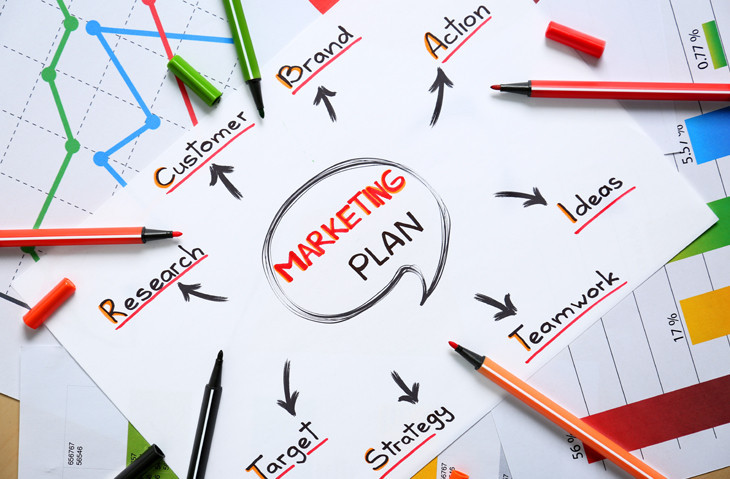
What is a go-to-market strategy and how would you launch a new product?
A go-to-market strategy defines how a product reaches customers: who it is for, what it promises, how it is sold, and at what price.
The components:
- Target segment and buyer. Who specifically, and — for B2B — who decides, who influences, and who blocks.
- Value proposition and positioning against the alternatives, including doing nothing, which is the most common competitor.
- Pricing and packaging.
- Sales motion — self-serve, inside sales, field sales, or channel. This determines the cost structure and therefore what acquisition cost is sustainable.
- Channel plan for reaching the audience.
Launching, in phases:
- Before — validate with real customers, agree the messaging and test it, prepare sales enablement and support, and set success criteria in advance.
- Soft launch to a limited audience or beta group. This catches the problems that only appear with real users, at a point where fixing them is cheap.
- Launch — coordinated across channels, with sales and support briefed before customers hear anything.
- After — this is the part most teams neglect. Launch is a start, not an event; sustained demand generation and iterating on messaging based on what actually resonates is where the results come from.
Note: Defining what failure looks like beforehand, and what you would do about it, is what separates a plan from an announcement.


 Log in with Google
 Log in with LinkedIn









.jpg)


.jpg)